Data ·
Kinyarwanda ·
ATAS
Why ATAS Starts With Data, Not a Model
IRANKUNDA Elyssa
Sep 28, 2026 · 3 min read · Updated Sep 28, 2026
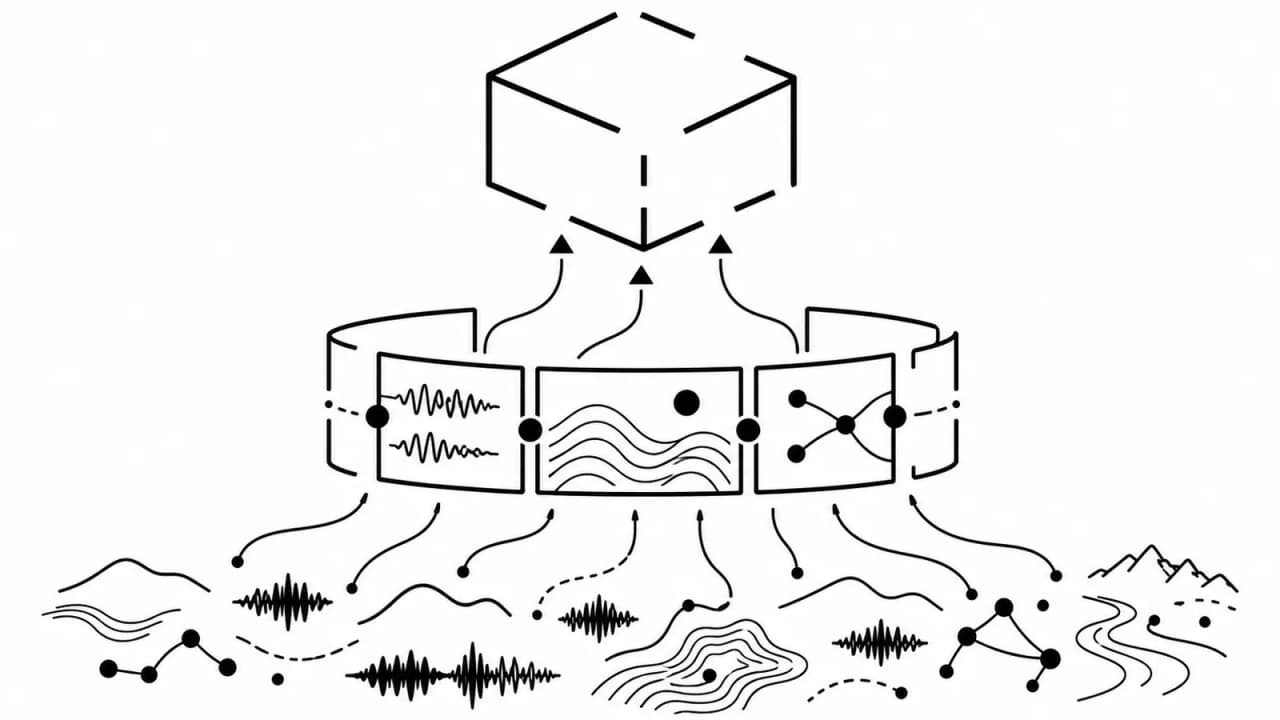
Ask most people building AI where to begin, and they will say: pick a model. For the kind of AI ATAS wants to build, I think that is backwards.
The scarce thing
Models are becoming easier to get. Computing power can be rented. What cannot be downloaded is knowledge of how people in one country actually speak, ask, decide and get things done.
Real spoken Kinyarwanda, in real settings, from real people, is scarce online. So is the everyday knowledge about how local systems work in practice. Nobody has written it down in one place, because it lives in daily life. If ATAS wants to build AI that understands Rwanda, this is the raw material, and someone has to go and collect it.
Where the work starts
The first operational step at ATAS is data collection, and its focus is speech: recordings and transcripts that can support speech recognition and text-to-speech for Kinyarwanda. Behind that is a goal I care about a lot: voice AI for people who have poor internet or none at all, people who are easy to leave out when technology is designed for the connected few.
This feeds the two things ATAS is building toward. ISOKO is the field platform for collecting information from the ground. IMIZI is the longer-term contextual intelligence infrastructure that the collected knowledge is meant to serve.
I need to be honest about the stage. This work is starting now. ATAS has not yet published datasets, and I am not going to pretend otherwise.
How I want to collect it
Data work can quietly go wrong, so I want some rules in place before the first recording.
- From people, with their agreement. People should know what they are contributing and why.
- Through people from the places it comes from. I will need help, and the people gathering the data should understand the communities they are gathering it from.
- Quality before volume. A smaller collection that is carefully checked is worth more than a large one nobody trusts.
- Deliberate about sharing. Anything ATAS releases should be a conscious decision. Some resources may be open, and others may be shared only through a request. Nothing should leak out by accident.
Why I trust this order
A model built on borrowed data inherits someone else's assumptions. A model built on carefully collected local data has a chance of understanding something true about the place it serves.
It is also slower, less glamorous, and harder to show off in a demo. That is part of why I think it matters. Anyone can show a demo. Very few people will do the patient work underneath it, and that work is where the advantage of being a native, building for my own country, actually lives.
What comes next
When there is something worth sharing, it will go on the ATAS website under its own Resources section, with clear terms. Until then, the honest update is simple: the work has begun, and it begins with listening.
IRANKUNDA Elyssa
Founder & CEO of ATAS — I build AI infrastructure for Rwanda — its languages, geography, and everyday realities.