Research program
2024 — present
Kinyarwanda TTS
Text-to-speech built natively for Kinyarwanda — voice technology that treats our language as a first-class citizen, feeding ATAS's broader language program.
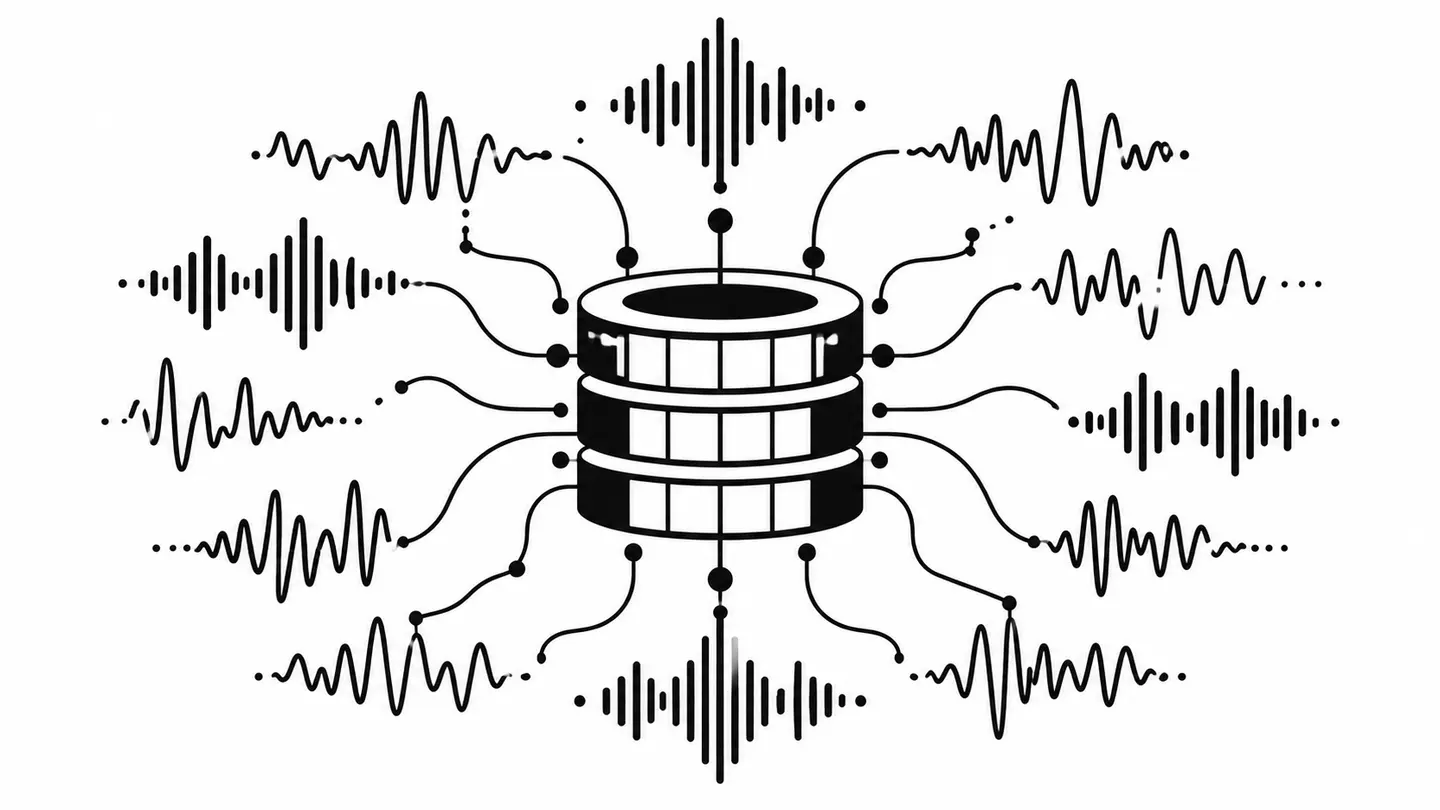
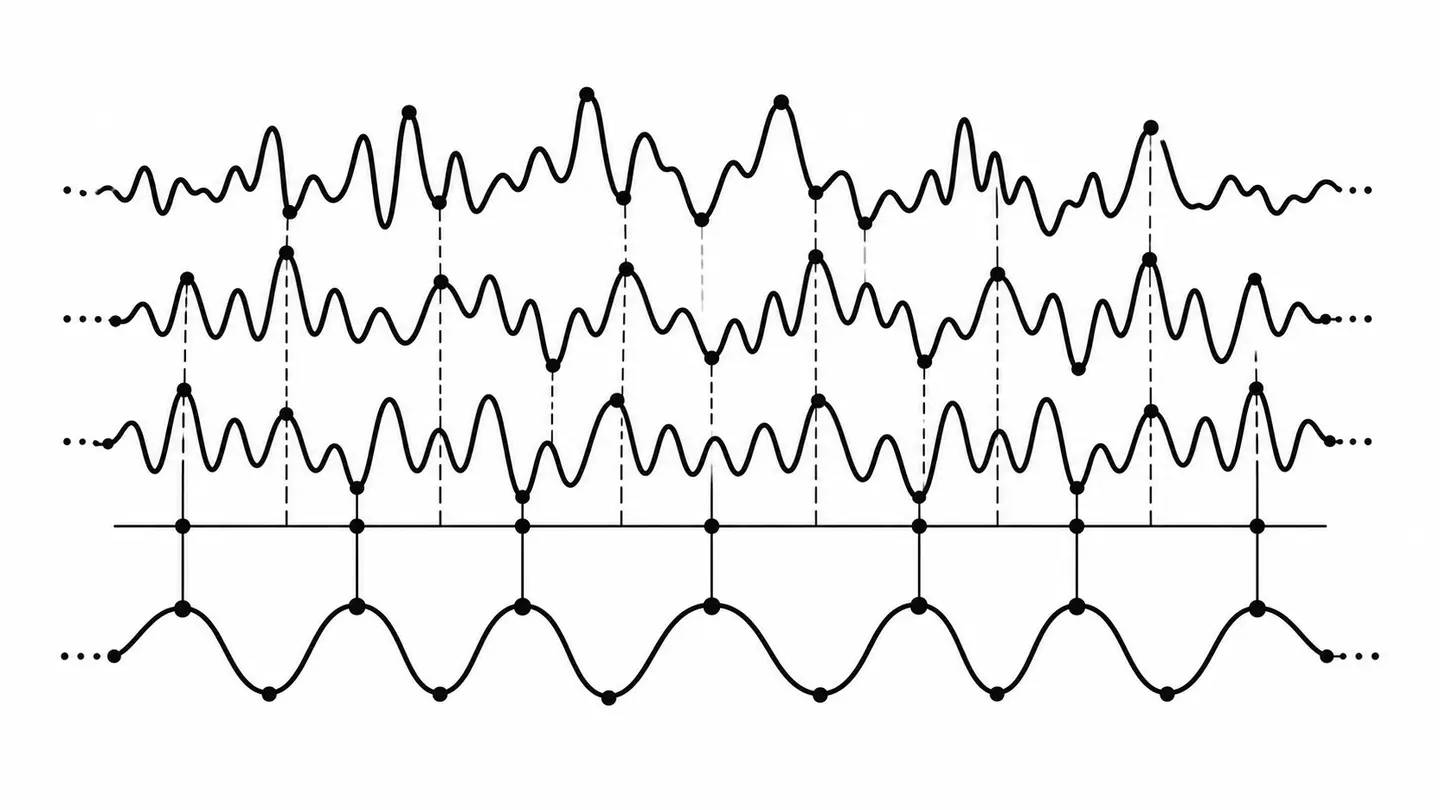
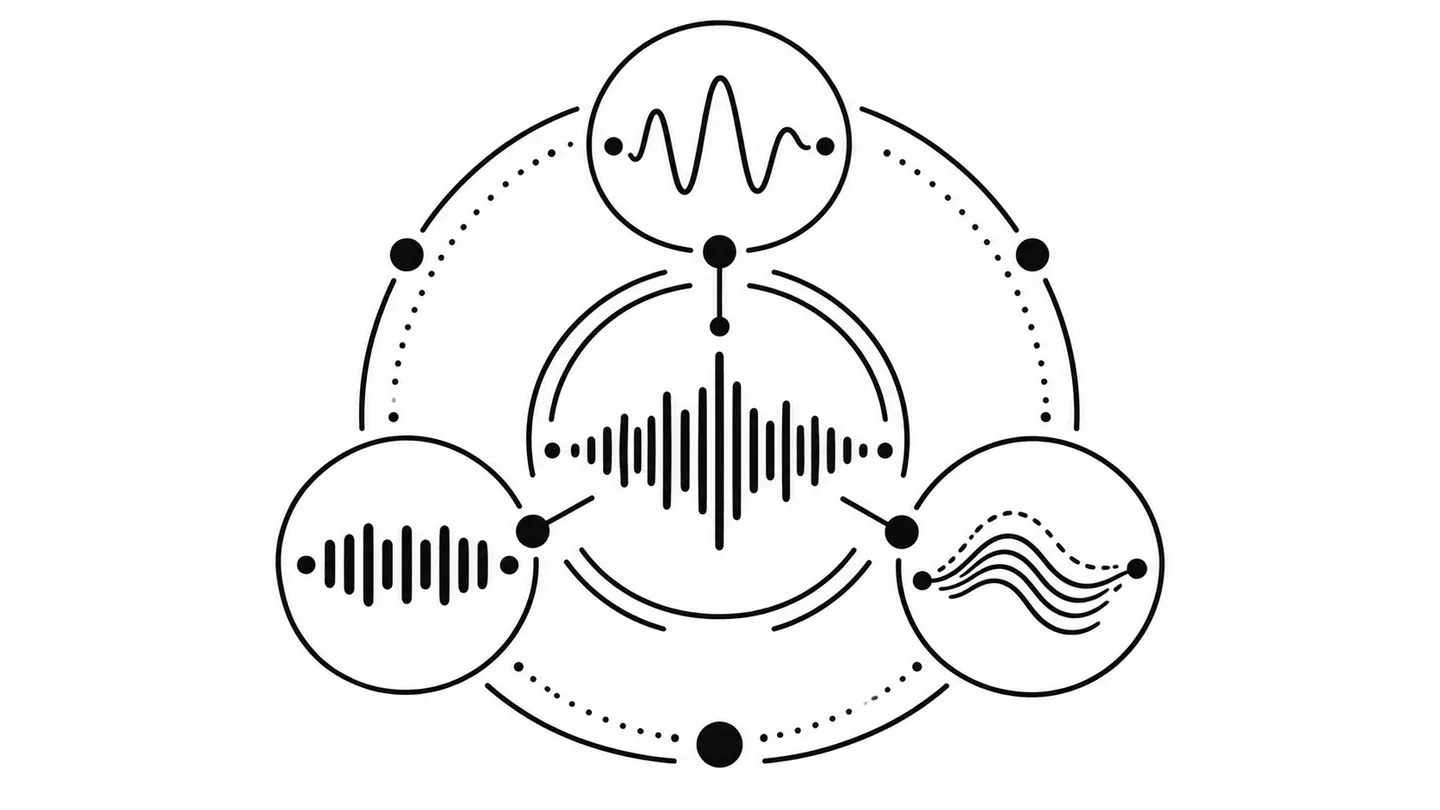
Dataset curation with Rwandan speakers in the loop.
1 / 3
Most voice AI systems under-serve local languages. They mispronounce our names, flatten our tones, and treat our languages as an afterthought — if they support them at all. Our Kinyarwanda text-to-speech project exists to change that for our language.
Why voice matters
Voice is the most natural interface there is — and the most exclusionary when it doesn't speak your language. For visually impaired users, for new readers, for anyone who thinks in Kinyarwanda, natural voice output is not a convenience. It is access.
How we're building it
There was no off-the-shelf foundation for Kinyarwanda speech synthesis, so every layer had to be built deliberately:
- Dataset curation — carefully collected, speaker-reviewed recordings rather than scraped scraps
- Phonetic analysis — covering the sound system of Kinyarwanda properly, including tone
- Evaluation discipline — naturalness judged by native speakers, not just by metrics
Where it feeds
This research is one pillar of ATAS's language program — alongside speech recognition and natural language understanding that handles how Rwandans actually mix Kinyarwanda, English, and French. The data discipline and evaluation practices developed here flow directly into IMIZI and AcademiaPlus.
Language preservation in the digital age isn't about archiving. It's about building systems where our language lives, works, and evolves.
Facts
Status
Ongoing research
Domain
Speech synthesis
Language
Kinyarwanda
Feeds
ATAS language program (ASR, NLU, TTS)
More work
National curriculum infrastructure for Rwandan secondary education — the complete curriculum, real exam evidence, and grading that reveals how learning is actually going.
Alliance for Transformative AI Systems — the Rwandan AI research and product company I founded to build AI that genuinely understands Rwanda.